Orthotics Fitting & Care
Custom orthotics made from a cast or scan of your own feet, prescribed after an evaluation by Dr. Tievsky to support how your feet actually work.
Orthotics change how your foot meets the ground with every step.
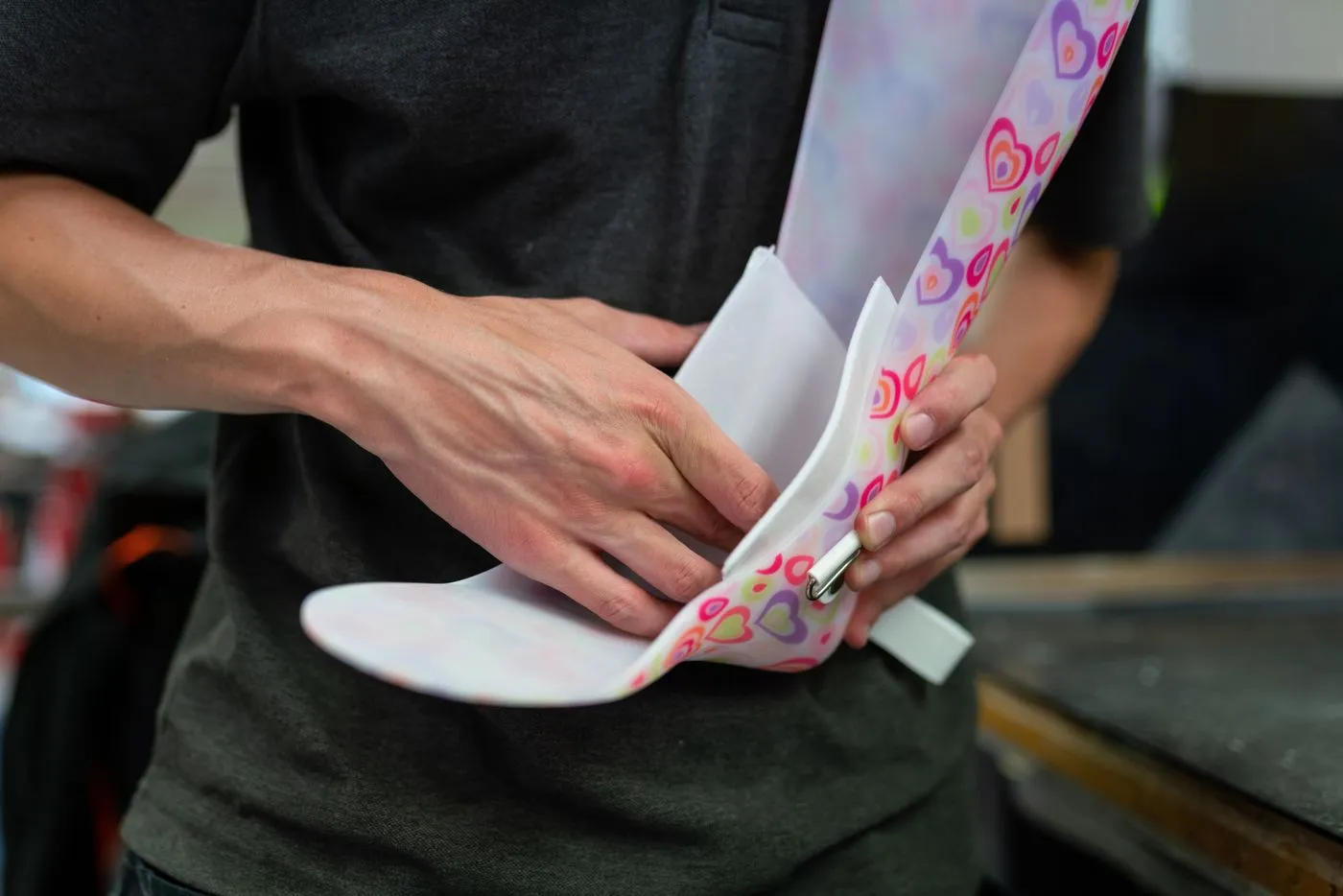
If you’re living with foot pain, many aspects of your daily life can be affected. One solution for managing or improving foot problems of this nature is the use of orthotic devices. Orthotics are specially designed devices that control foot structure which helps to diminish overuse symptoms.
What Are Your Options with Orthotics?
Orthotic devices can be over-the-counter (OTC) or a custom orthotic that is made especially for you. OTC options are readily available in stores and therefore offer faster relief because you can get them the same day. Custom orthotics, on the other hand, are based on individual needs and foot-related problems. Custom orthotics take a few weeks to make but are designed for you in every way. In the long term a custom orthotic is superior to an OTC orthotic in every way much like prescription glasses are superior to over the counter reading glasses.
What Foot Issues Can Be Managed or Improved with Custom Orthotics?
Many people associate orthotic devices with arch support help. While this is a valid and common reason to use these devices, customized orthotics can meet many other foot-related needs. For example, a podiatrist may recommend custom-made orthotics if you are experiencing foot/ankle pain related to:
- Bunions
- Arthritis or other degenerative conditions
- An ankle injury related to running, jogging, or similar activities
- Age-related changes within foot/ankle structures
- Sports-related foot/ankle injuries
- Plantar fasciitis
- Tendinitis
- Diabetic foot pain
- Ulcers
- Hammer toes
- Shin splints
How Can You Benefit from Patient-Specific Orthotics?
OTC orthotics are designed to be one-size-fits-all and that means they may not fit your feet well and also since it has to fit everybody the OTC arch supports are typically made extra soft to not cause pain in those whose feet do not match the insert perfectly. For some people, this is just fine if their arch happens to be close enough to the design or if their problem is mild. However, most foot/ankle-pain sufferers benefit way more from podiatrist-casted custom orthotics. Custom orthotics tend to be appreciated by patients due to many benefits that include:
- A longer average lifespan than OTC orthotics
- A better ability to support their foot anatomy
- Depending on insurance coverage custom orthotics may be 100% covered by your insurance
- Ability to be made to help specific foot problems
How Are They Made?
Custom orthotics are typically casted after a thorough evaluation by Dr. Tievsky to determine specific needs. The foot is then casted with plaster, placed into an impression foam box, or scanned by a 3D scanner in the correct anatomical position. They can be made from softer materials (accommodative orthotics) or semi-rigid materials or even rigid materials (functional orthotics).
Find out if you may benefit from orthotics tailored to your unique foot care needs by reaching out to Dr. Tievsky at Tievsky Podiatry. Many patients appreciate the added support and comfort orthotic devices offer.
Contact our office today to schedule an appointment.
Our approach
How we prescribe and fit custom orthotics.
A custom orthotic is a medical device made for one pair of feet. Getting it right starts with understanding what is causing your symptoms.
Foot Evaluation
Dr. Tievsky examines your feet, checks joint motion and watches how you stand and walk. This shows whether orthotics are likely to help and what the device needs to do.
Casting or Scanning
Your foot is captured in the correct anatomical position with a plaster cast, an impression foam box or a 3D scan. This gives the lab an accurate model of your foot rather than an average one.
Choosing the Materials
Softer accommodative orthotics cushion and offload sensitive areas, while semi-rigid and rigid functional orthotics control motion. The choice depends on your condition, activity and shoes.
Fitting and Follow-up
When your orthotics arrive, we check the fit in your shoes and explain how to break them in. Adjustments can be made if anything feels wrong as you get used to them.
