
Foot Infection Treatment
Prompt care for infected wounds, ingrown nails and other bacterial foot infections, so a small problem does not turn into a serious one.
A foot infection can spread quickly, so early care matters.

Treating Bacterial Foot Infections With Tievsky Podiatry
Bacterial infections of the foot can pose serious risks to you or other members of your family. At Tievsky Podiatry, we offer practical help for these issues and many other problems affecting your feet and ankles. We can deliver the best solutions for a wide range of bacterial infections of the feet and can help you stay mobile and pain-free now and for many years to come.
What Are the Symptoms of Foot Infections?
Infections of the feet can manifest themselves in a number of ways. Some of the most common signs of infection in your feet include the following symptoms:
- Pain or itching
- Swelling and inflammation of specific areas, especially those that have suffered previous injuries
- Loss of mobility and pain or discomfort when walking
- A bad smell from a specific area of your foot
- Injuries that do not heal within a reasonable amount of time
- Discoloration of the tissues of the foot or oozing pus
If any of these symptoms are present, you will need to schedule an appointment with Tievsky Podiatry and Dr. Alex Tievsky to determine the cause of these infections and to begin treatment for these podiatric conditions.
What Are the Types of Foot Infections?
Most foot infections are classified as fungal or bacterial:
- Fungal infections include athlete’s foot, toenail fungus and other infections that occur when feet remain in a moist or damp environment for a considerable length of time. Topical ointments are often recommended to deal with these issues.
- Bacterial infections, by contrast, are usually the result of injuries to the feet that may include ingrown toenails or puncture wounds. These injuries can become infected and could spread into the bloodstream to cause serious medical complications for some patients.
People with diabetes are at higher risk of foot infections and should schedule regular check-ups with a podiatrist to ensure that their feet stay healthy and that any infections or injuries are treated promptly and effectively.
What Are the Underlying Causes of Bacterial Infections of the Feet?
Most bacterial infections of the feet are caused by injuries to or breaks in the skin of the feet. This can occur because of scrapes, ingrown toenails, puncture wounds or blisters that form because of poorly fitting footwear. While not all injuries can be prevented, seeking treatment with Tievsky Podiatry and Dr. Tievsky as soon as practical after an injury can prevent many of the most dangerous side effects of bacterial infections of the feet.
When Is Medical Intervention Needed for Bacterial Infections?
For most patients, seeking immediate help from the medical professionals at Tievsky Podiatry is the best course of action when an infection of the feet is suspected. There are a few other warning signs, however, that may indicate a more serious problem is present and must be addressed right away to protect your health and mobility:
- Red or dark streaks radiating outward from the injury or the site of the infection can be signs that the infection has spread to the lymph nodes or to the bloodstream. Immediate treatment is necessary to counter these issues and to provide protection against the most serious effects of systemic infections.
- A strong and foul odor accompanied by cracking or breaking noises at the site of the infection could mean that gangrene has begun to affect the area. As with infections that spread to the blood or lymphatic system, a visit to the emergency room is necessary to stop this dangerous medical condition in its tracks.
- Infections that spread rapidly or that produce chills and fever require the attention of a medical professional to address the underlying reasons for these issues and to provide added help in protecting your health from complications of bacterial infections of the feet.
What Are the Treatment Options for Infections of the Feet?
In many of the patients we see at Tievsky Podiatry, prescription antibiotics and topical creams are the first line of defense against bacterial infections. Our podiatric team will work with you to determine the best course of action for dealing with both fungal and bacterial infections of the feet and to provide you with added help in managing bacterial infections more effectively. For more serious infections, Dr. Tievsky can provide you with surgical solutions that can speed healing and remove areas of infected tissue to protect your health more effectively.
The Right Solutions for Bacterial Infections
If you need treatment for an infection of your foot, Tievsky Podiatry can deliver the best solutions for you. We offer convenient appointment times and practical services that will resolve issues with your feet and ankles as quickly and effectively as possible. Give us a call today at 201-608-0688 to schedule an appointment with our team. Dr. Alex Tievsky and his team can provide you with the caring and compassionate foot and ankle care you need to stay mobile and healthy now and for many years to come.
Our approach
How we evaluate and treat foot infections.
Most bacterial foot infections start with a break in the skin. Our plan depends on how deep the infection goes, what caused it and your overall health.
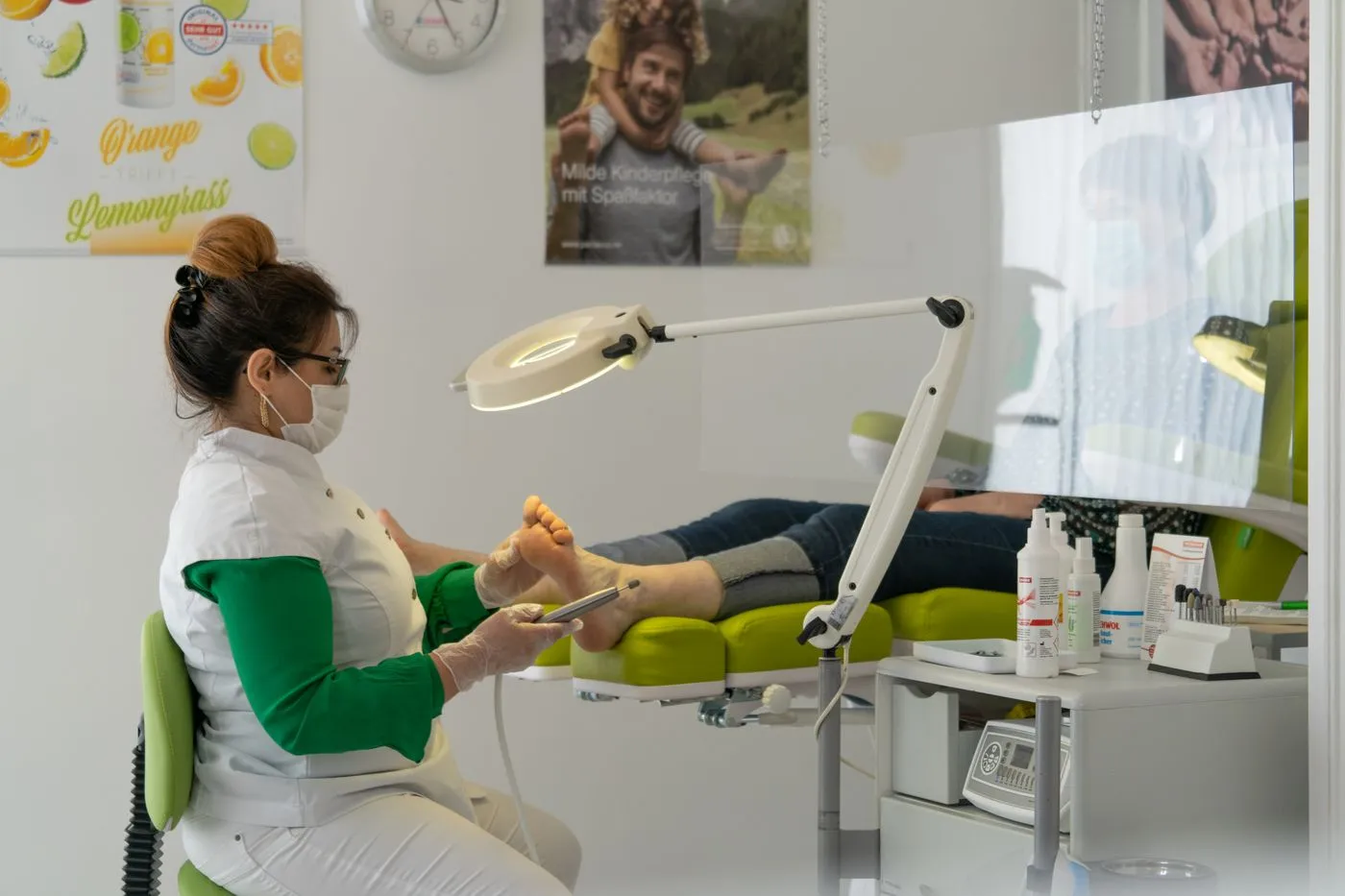
Finding the Source
Dr. Tievsky examines the area, looks for the wound, nail or blister where the infection began and checks how far the redness and swelling have spread. A culture or X-ray may be ordered when the infection looks deep.
Treating the Infection
Many infections respond to prescription antibiotics, taken by mouth or applied to the skin. The choice of medication depends on the type and severity of the infection.
Wound Care
Cleaning the wound, removing dead tissue and draining any trapped fluid help the body clear the infection. Dr. Tievsky has experience in a wound care center and follows the area closely until it heals.
Surgery When Needed
For more serious infections, a surgical procedure may be needed to remove infected tissue and help the foot heal. Once it has healed, we look at what caused the problem so it is less likely to happen again.
