Ingrown Toenail Relief & Care
Relief for painful ingrown toenails with a quick in-office procedure, and practical steps to keep the nail from growing back into the skin.
An ingrown toenail is more than a nuisance when it becomes infected.
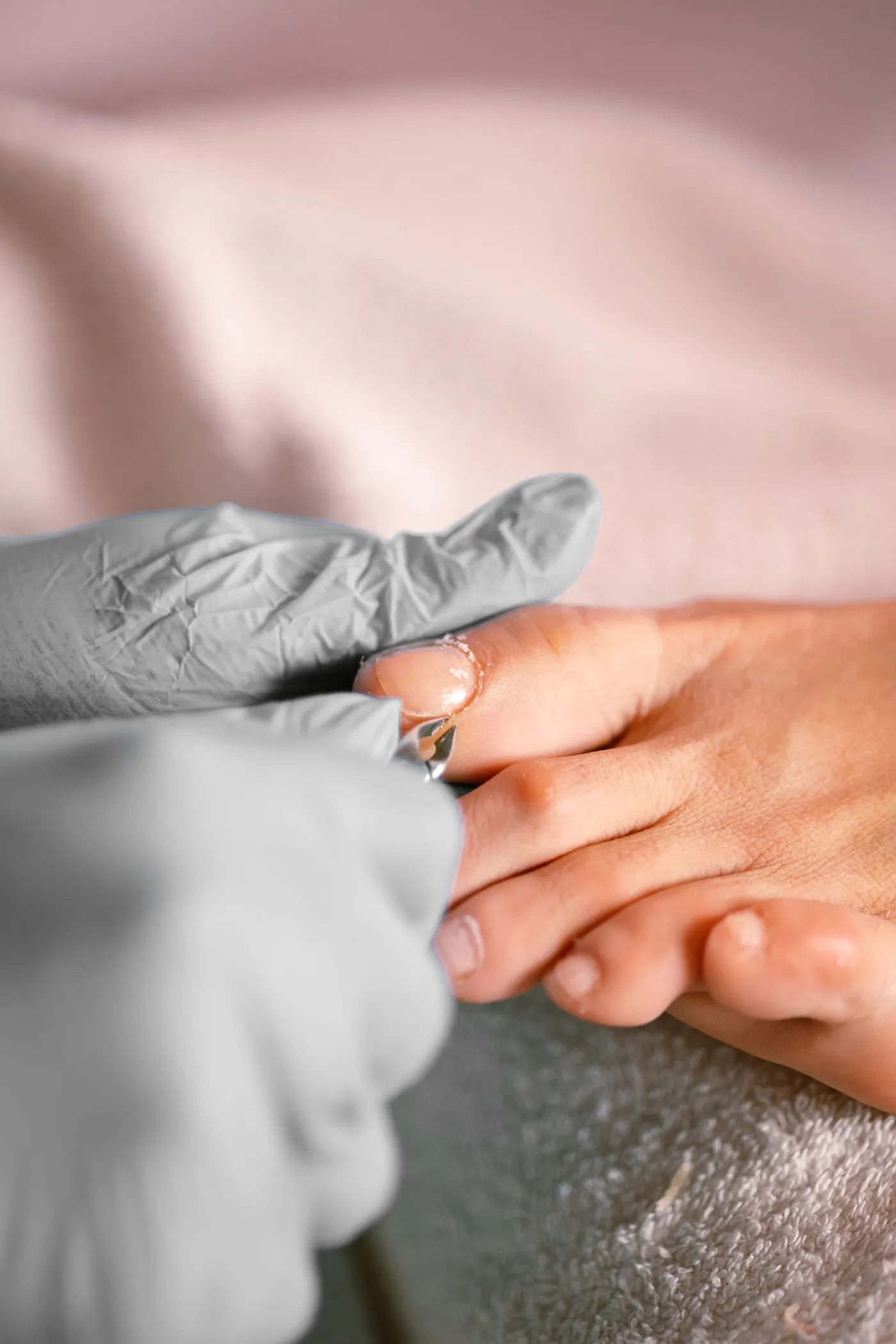
Ingrown toenails are a fairly common condition and can result in minor to severe pain, inflammation and infection. An ingrown toenail occurs when the edges of the toenail grow into the sides of the toe and the corners of the nail become embedded in the skin. While this may seem like a minor issue, aside from the pain it can cause, an ingrown toenail can become very serious if infection occurs.
While an ingrown toenail usually affects the great, or “big,” toe, it can happen with any of the toenails.
The condition often affects both sides of the nail, but can occur on just one side or the other.
Symptoms
An ingrown toenail typically presents with the following symptoms:
- Pain or tenderness along one or both edges of the toenail, especially at the corners.
- Redness of the toe around your toenail.
- Swelling of the toe around the edges of the toenail. Note that extreme swelling is indicative of infection.
- Infection will present as a white discharge coming from around the edges or the top of the toenail. Here you should seek immediate medical attention before the infection can spread.
Causes
One of the main causes of ingrown toenails is poor fitting shoes. Shoes that are too tight, especially at the toe, will put pressure on the toenails and encourage them to grow out to the sides and into the skin and flesh of your toes. Tight fitting socks can also be a cause.
Another common cause of ingrown toenails is improperly cutting of the nail that can result in the nail growing outwards instead of upwards.
Toenail injury, such as stubbing the toes hard or dropping something on the toe, can jam the nail into the toe and cause it to grow outward.
Bunions and flat feet will cause the big toe to be rotated when you walk and drive the side of the nail into the flesh of the toe.
A fungal infection can also cause the nail to grow irregularly.
Treatment
As the saying goes “An ounce of prevention is worth a pound of cure.” Ingrown toenail can usually be prevented by following a few simple guidelines. First, be sure your shoes fit properly and have plenty of room for your toes to move freely. The nail should be cut flat across the top so it does not curve downward at the edges. The nail should also be left long enough so that the corners are above the ends of the nail bed at the sides.Make sure your toe does not turn when you stand which often happens with bunions.
Once an ingrown nail actually occurs, removal of an ingrown toenail should be swiftly done by a podiatrist. The doctor may cut out the ingrown section and/or insert a splint to get the nail to grow out properly. Removal of the entire nail may be necessary in severe cases. Pain medication and antibiotics may be prescribed. Delaying treatment can result in a big infection in worst cases can cause the underlying bone to get infected prompting heavy antibiotic use or a toe amputation as a last resort cure.
If you are suffering from ingrown toenails, contact Dr. Alex Tievsky today. He has years of experience dealing with all manners of foot problems and will have you feeling better in no time.
Our approach
How we treat ingrown toenails.
Most ingrown toenails can be treated in a single office visit. Our plan depends on how deeply the nail is embedded, whether it is infected and whether it keeps coming back.
Examining the Toe
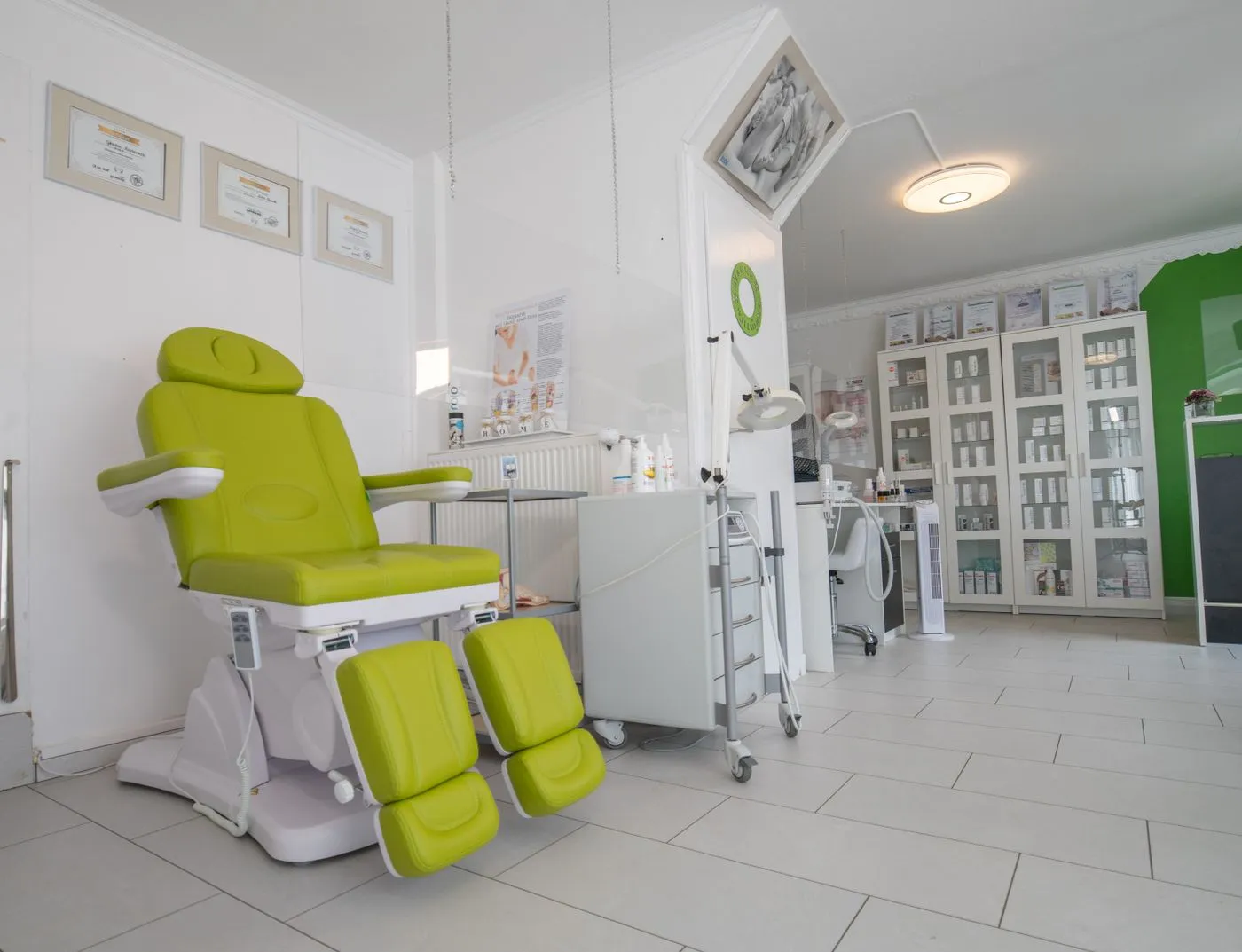
Dr. Tievsky checks how far the nail edge has grown into the skin, looks for signs of infection and asks about shoes, nail trimming and past injuries that may have played a part.
Removing the Ingrown Edge
After numbing the toe, the ingrown section of nail is gently removed so the skin can heal. In mild cases, lifting the nail edge or placing a splint may be enough.
Treating Infection
When the toe is infected, removing the offending nail edge is usually the key step. Antibiotics may also be prescribed, along with simple soaking and dressing instructions for home.
Stopping It From Returning
For nails that keep growing in, the root of the problem edge can be treated so it does not grow back. We also go over trimming technique and footwear, and look at bunions or flat feet that rotate the toe.
