Bunion Treatment & Care
Relief for painful bunions, starting with simple changes to footwear and padding, and surgical correction when the joint needs it.
Bunions are a structural problem, not just a sore bump.
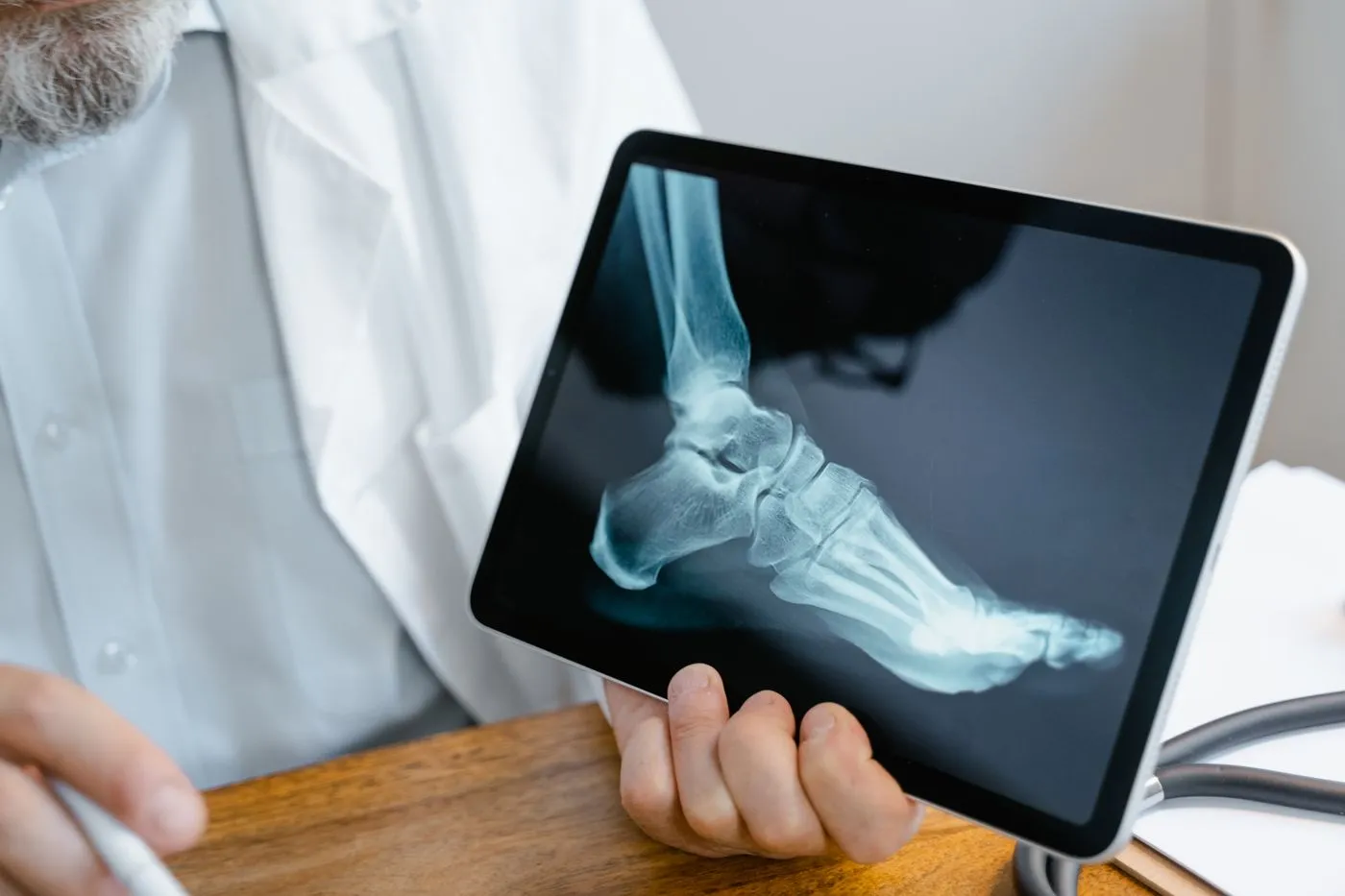
A bunion is a deformity in the metatarsophalangeal joint and develops when the first metatarsal bone turns outward while the big toe points in, toward the other toes, and causes the joint to protrude outward. An x-ray is often used to measure the angles between the first metatarsal of the big toe and the angle formed by the first and second metatarsals to determine how severe a bunion is. Bunions can become very painful and interfere with running, exercising and even walking.
Symptoms
Because most footwear doesn’t accommodate the protrusion of the misaligned joint, the bursa, a fluid-filled sac that acts like a shock absorber to cushion the joint, becomes inflamed. This causes the joint to become stiff and painful.
Causes
Bunions typically develop when the feet are squeezed into shoes that are too narrow or have excessively pointed toes. However, while tight shoes can trigger a bunion, this is not the underlying cause. Because they are a result of the shape and structure of the foot, bunions tend to be hereditary.
Low arches, the shape of the metatarsal head, flat feet, loose ligaments and tendons all increase the risk of developing bunions. All of these conditions can make the toes susceptible to becoming deformed and a bunion developing when the feet are forced into tight shoes. Because of they wear high-heel shoes with pointed toes, women are at 10 times the risk of developing bunions as men.
Treatment
Conservative measures that alleviate the pressure on the joints are often sufficient to provide relived and keep the bunion from getting worse. Switching to shoes that provide enough room to accommodate the bunion and have a wide, flexible sole, such as athletic shoes, is typically the first treatment option. Cushioning the bunion with moleskin or some other type of pads can also help.
Bunions don’t usually require surgery. However, if there is debilitating pain that cannot be corrected by changing footwear, or an underlying deformity, than surgery may be necessary. There are over 100 surgical procedures to address bunions. Procedures are performed to remove the bony protuberance and realign the joint, ligaments, tendons and nerves.
Contact Dr. Alex Tievsky today to discuss which treatment plan may best help you begin the process of freeing yourself from the pain that bunions cause. Dr. Tievsky has years of experience and will know the best treatment option for your specific situation.
Our approach
How we evaluate and treat bunions.
Most bunions can be managed without surgery. Our plan starts with how severe the deformity is and how much it limits your day.
Examination and X-rays
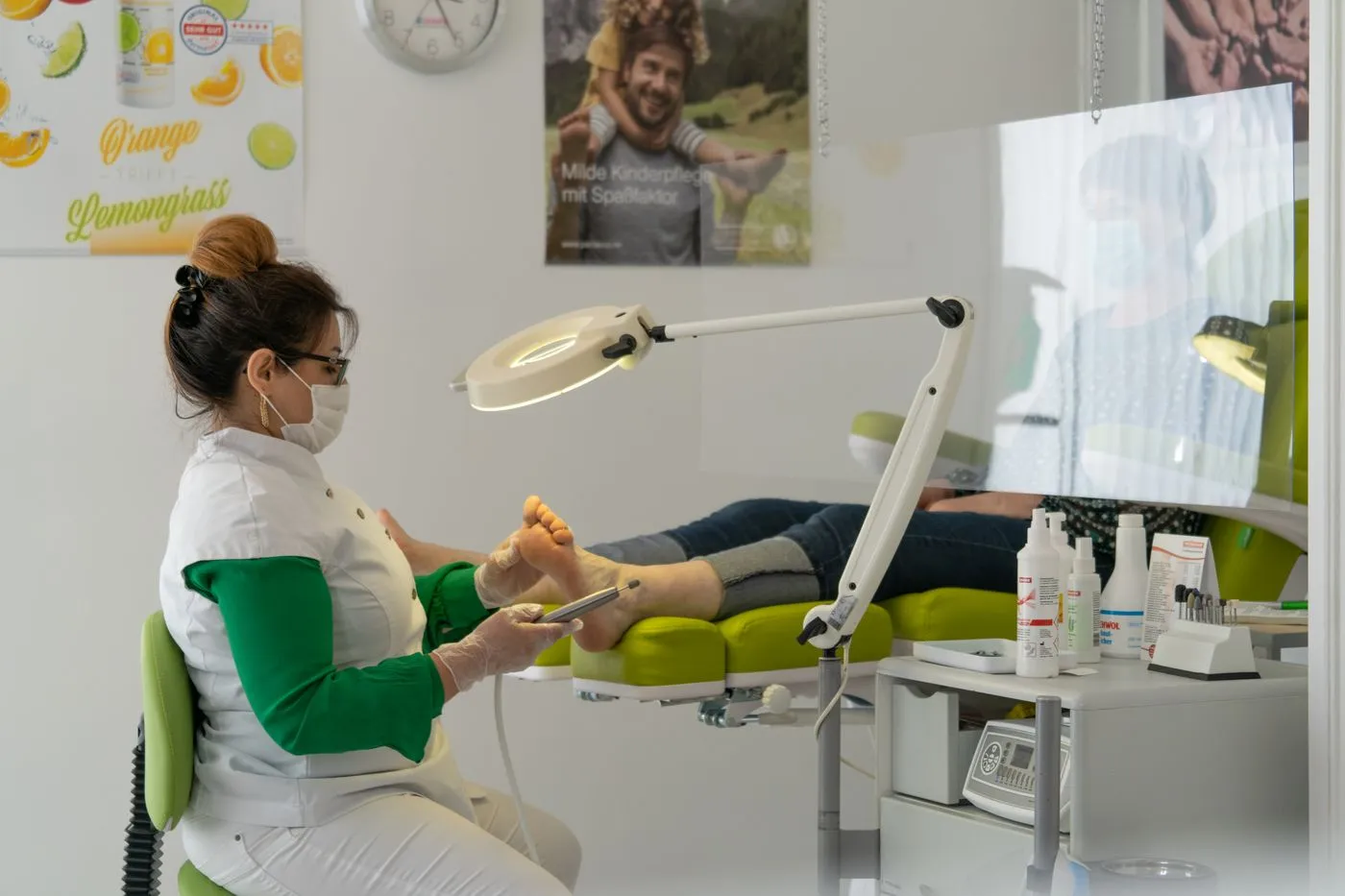
Dr. Tievsky examines the joint, how you walk and the shoes you wear. X-rays measure the angles between the first and second metatarsals, which show how far the bunion has progressed.
Relieving the Pressure
Shoes with a wide toe box and a flexible sole, plus moleskin or gel padding, take the pressure off the inflamed joint. For many patients this is enough to calm the pain.
Support for the Foot
Flat feet and loose ligaments add to the strain on the big toe joint. Custom orthotics can improve how the foot moves and help keep the bunion from getting worse.
Surgical Correction
When pain persists despite these measures, surgery removes the bony prominence and realigns the joint. Dr. Tievsky trained in reconstructive foot and ankle surgery and chooses the procedure that fits your foot.
