Flat Feet Treatment & Support
Support for flat and collapsing arches, from custom orthotics and footwear to minimally invasive surgery when the arch needs correcting.
Flat feet are common, but painful flat feet deserve a closer look.
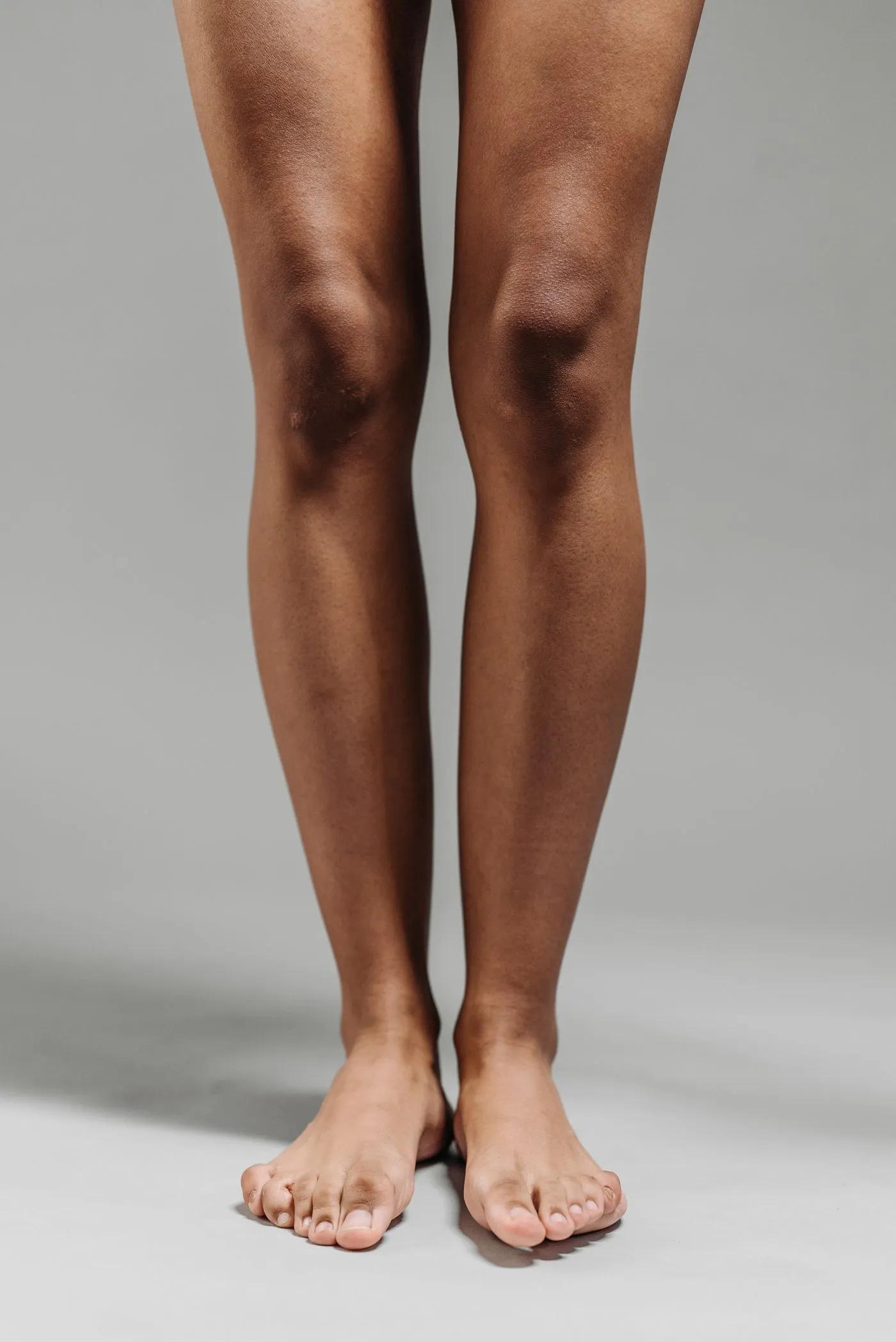
Flat feet is a condition that results in your feet not forming a normal arch while standing. The National Foot Health Assessment states that eight percent of adults in the U.S. suffer from flat feet. While flat feet are normal during infancy, the condition usually disappears by age three as the feet begin to maturate when the tendons and ligaments in the feet and legs begin to contract. The condition can continue throughout childhood without serious consequences, but will typically start causing problems in adolescence if not diagnosed and corrected.
Symptoms
The main symptom of flat feet is pain and is the result of strained muscles and ligaments. Pain will typically occur during physical activity and sometimes even when walking, especially for long distances. Standing for prolonged periods of time can also cause discomfort.
Flat feet can result in an uneven distribution of body weight if shoes wearing down unevenly. This can further result in stresses and cause pain in the joints of the lower body. The areas most commonly affected include:
- Foot arch
- Back
- Calfs
- Hips
- Knees
- Legs
Causes
Flat feet can have a variety of causes, including genetics. Unfortunately, heredity causes cannot be prevented. Here is a list of the most common causes of flat feet:
- Genetic, as flat feet can be passed down from parents.
- Injury to the foot or ankle, such as tendonitis, damage from overuse or damage of the posterior tibial tendon.
- Illness, such as obesity, diabetes, arthritis and muscle-related diseases like cerebral palsy or muscular dystrophy.
- Tarsal coalition that causes the foot bones to fuse together and cause stiff and flat feet. This condition is usually diagnosed during childhood.
- Flat feet are common during pregnancy.
- Age can cause the posterior tibial tendon, the primary structure of the foot arch, to weaken.
- Developmental faults that occur during pregnancy or early childhood.
Treatment
The fist step in treatment of flat feet is to try to prevent the condition from becoming more severe. Be sure your shoes fit properly and provide adequate support. Special inserts, called orthotics, can be placed in your shoes to support your feet. Children may be prescribed special shoes until their feet are fully developed.
Losing weight, if needed, can help reduce the pressure placed on the arches. Medication may be prescribed for chronic pain and inflammation. Surgery is an option for more serious cases where an orthopedic surgeon will surgically construct and arch by shortening ligaments, repairing tendons and fusing bones, if necessary.
Contact Dr. Alex Tievsky today to discuss which treatment plan may best help you begin the process of freeing yourself from the pain of flat feet. Dr. Tievsky has years of experience and will know the best treatment option for your specific situation.
Our approach
How we evaluate and treat flat feet.
Many flat feet never cause trouble. When they do, the plan depends on whether the arch is flexible or rigid and how much it limits your activity.
Examination and X-rays
Dr. Tievsky looks at the arch standing and sitting, tests the tendons and joints, and watches how you walk. Weight-bearing X-rays show the alignment of the bones and how far the arch has collapsed.
Custom Orthotics and Shoes
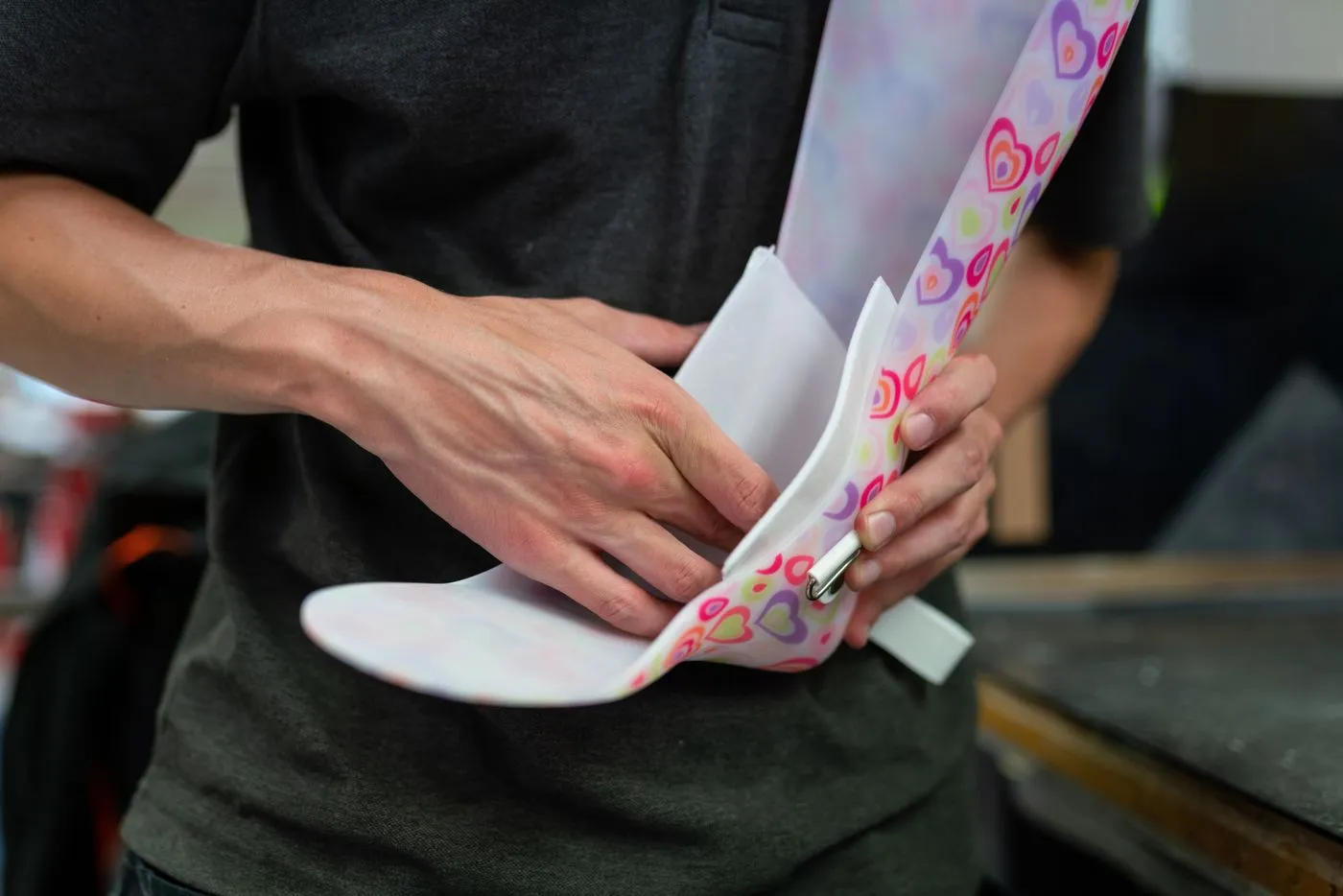
Supportive shoes and custom orthotics, casted after an evaluation by Dr. Tievsky, hold the arch in a better position and ease strain on the foot, ankle and knees. Children may need supportive shoes while their feet develop.
Calming Pain and Inflammation
Stretching, rest from aggravating activity, anti-inflammatory medication and, where needed, weight loss can relieve strained muscles and tendons. A brace may help when the posterior tibial tendon is involved.
Minimally Invasive Correction
When pain continues despite these measures, Dr. Tievsky offers minimally invasive surgery for collapsing arches, and the practice is a HyproCure Center of Excellence. More advanced or rigid deformities may call for reconstructive surgery.
